🃏 Trading Card Game Players & Relationships: Building Your Perfect Deck
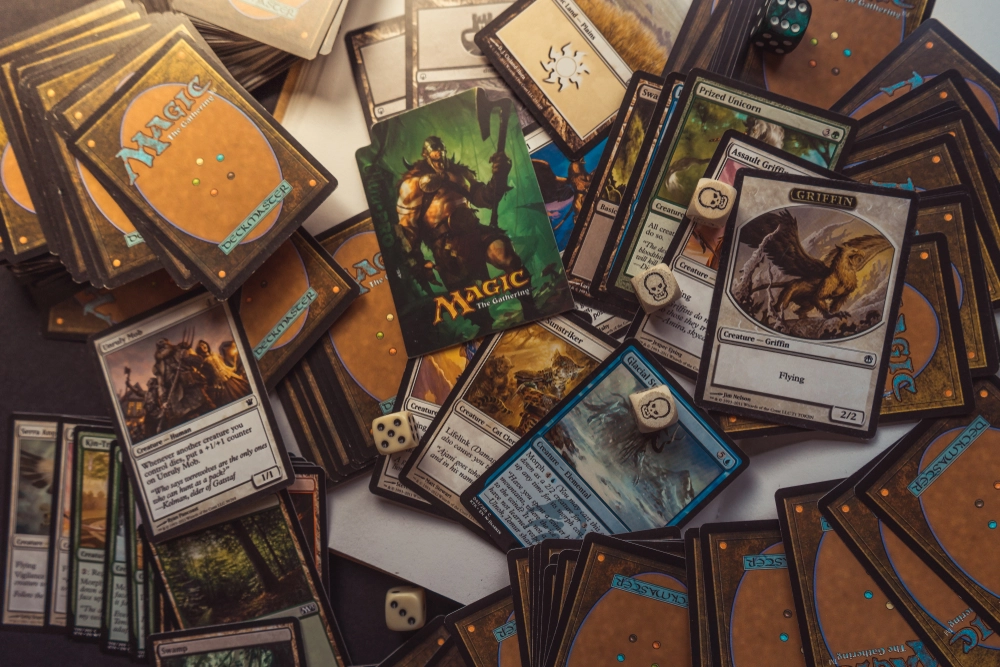
Try explaining to someone outside the hobby why you just spent $80 on a single piece of cardboard. Why Friday Night Magic is non-negotiable. Why your collection needs climate-controlled storage. Why you can discuss the Standard meta for three hours straight.
TCG players live in a world of resource management, strategic thinking, and long-term investment—both financial and emotional. We build decks that take months to perfect. We chase cards for years. We understand delayed gratification and the value of patience.
These traits make us great partners—when we find someone who speaks the same language. Someone who doesn't flinch at your collection's value. Someone who gets why tournament weekends matter. Someone who knows the difference between Standard and Commander.
Why TCG Players Date Differently
We're strategic thinkers Every decision in a card game is calculated—risk assessment, probability, resource management. We apply this same analytical approach to relationships. We think long-term, plan ahead, and consider multiple outcomes.
We understand value vs. cost That $200 card isn't crazy to us—we understand market dynamics, playability, and investment potential. We see beyond sticker price to actual value. This mindset extends to relationships: we invest where we see genuine worth.
We're community-oriented Local game stores, weekly tournaments, Discord servers, trading groups—TCG players are deeply social. We have built-in friend networks and regular gathering spots. Dating someone in the community means instant social integration.
We're competitive Whether it's FNM, regional championships, or kitchen table games—we like to win. This competitive drive can be healthy in relationships (motivating each other, celebrating successes) or problematic (always needing to be right). Self-awareness matters.
We're collectors at heart The satisfaction of completing a set, finding that chase card, organizing our collection just right—we're driven by completion and order. In relationships, we value building something complete together.
What Your TCG Preferences Say About You
Magic: The Gathering players:
Commander/EDH enthusiasts - Social, creative, enjoy collaborative chaos. Prefer long-term investment over quick wins. In relationships: patient, enjoys building something complex together, values group dynamics.
Standard grinders - Stay current with meta, invest regularly, embrace change. Competitive and adaptable. In relationships: keeps things fresh, embraces evolution, might get bored with routine.
Modern/Legacy players - Committed to long-term strategies, high upfront investment, resistant to rotation. In relationships: loyal once committed, values stability, plays the long game.
Limited/Draft specialists - Thrives with constraints, creative problem-solver, values skill over wallet size. In relationships: resourceful, adaptable, doesn't need expensive dates to have fun.
Pokémon TCG players: Nostalgic, aesthetics-focused (those alternate arts!), enjoys collecting as much as playing. Often more casual competitive scene. In relationships: sentimental, values presentation, balances fun with strategy.
Yu-Gi-Oh! players: Embraces complexity, comfortable with constant rule changes, loyal to childhood passion. In relationships: adaptable to change, passionate about specific interests, values longevity.
First Date Ideas for TCG Players
Friday Night Magic/Local tournament Meet at your LGS for FNM. Play some rounds, grab food after, discuss the matches. You see their sportsmanship, deck choices, and how they interact with the community. Perfect first date.
Draft together Split a box, do a sealed league, or join a draft pod. Building decks from limited resources reveals creativity, adaptability, and decision-making under pressure. Plus, you get to keep the cards.
Collection organization date Slightly intimate but practical: help each other sort bulk, organize collections, or build new decks. Working on a shared project creates natural conversation flow.
Card shop crawl Visit multiple LGS locations, browse inventory, discuss finds. You learn their shopping habits, spending comfort level, and passion for the hunt.
Proxy testing session Meet at a café, test out proxy decks together before committing to expensive cards. Shows fiscal responsibility and strategic planning—attractive traits.
What to avoid:
- Inviting them to your house immediately to see your collection (safety concern)
- Playing an expensive competitive deck against their casual brew (power imbalance)
- Getting salty about losses on a first date
- Judging their deck choices or card conditions harshly
- Spending three hours explaining your commander deck's win conditions
Compatibility Questions That Matter
Format preference alignment: "What formats do you play?" If you're a cEDH player and they're a casual Standard player, your tournament schedules and spending levels might clash significantly.
Spending philosophy: "What's your monthly card budget?" Critical question. If you drop $500/month on singles and they spend $50, that's a potential long-term conflict.
Competitive vs. casual: "Do you play to win or play for fun?" Both are valid, but mixing them often causes friction. Spike vs. Timmy/Tammy tensions are real.
Collection management: "How do you store and organize cards?" Reveals personality traits. Meticulously organized binders vs. shoebox chaos tells you a lot.
Trading philosophy: "Do you trade cards or only buy singles?" Shows risk tolerance and social approach to the hobby.
LGS loyalty: "Where do you play?" If you're at different stores in different cities, coordinating shared hobby time gets complicated.
The Unique Challenges
The financial elephant in the room:
TCGs are expensive. A competitive Standard deck might cost $200-500. Modern decks can be $1000+. Vintage? We don't talk about Vintage prices.
This needs honest discussion early:
- What's your budget comfort level?
- Do you view cards as expenses or investments?
- How do you handle rotation/ban list changes?
- What happens if you need to liquidate part of your collection?
Space wars:
Card collections take up serious space. Binders, deck boxes, storage containers, protective sleeves, playmats. If you're living together, you need agreements about:
- Dedicated card storage space
- Display vs. hidden storage
- Temperature/humidity control
- Organization systems
The tournament schedule conflict:
FNM every Friday. Saturday tournaments. Sunday drafts. Regional qualifiers. Grand Prix weekends. Pro Tours. The competitive TCG calendar is packed.
Partners need to understand this isn't negotiable. These events are your social life, your competitive outlet, and your community participation. Missing them feels like missing part of yourself.
Jealousy over trading/playgroup dynamics:
TCG communities can be close-knit. You're trading expensive cards with people, spending hours at the LGS, traveling to events with your playgroup. Partners outside the hobby sometimes struggle with these relationships.
Dating someone in the community eliminates this—they're part of it too.
When You Both Play TCGs
Same game, different formats: You play Modern, they play Commander. This works beautifully—shared game system, different card pools, complementary collections. You can collaborate on deck building while maintaining separate competitive identities.
Same game, same format: Pros: Natural playtest partner, shared deck-building sessions, coordinate tournament travel, understand each other's meta choices. Cons: Competition for cards from the same pool, potential rivalry, pressure to perform similarly, comparing results constantly.
Different games entirely: You're into Magic, they're into Pokémon. This requires mutual respect and understanding. Support each other's events, learn basic rules of each other's games, don't dismiss the other's competitive scene as "less serious."
Shared collection management: Who owns which cards? How do you handle expensive purchases? What happens if you break up? These aren't romantic conversations, but they're necessary ones. Some couples:
- Keep collections completely separate
- Have a "shared pool" of staples
- Track purchases individually even when living together
- Create legal agreements for high-value collections
Long-Term Relationship Considerations
Building a shared collection: Some couples combine collections, trading duplicates and building a household inventory. This requires trust, clear communication, and agreement on management.
Tournament travel: Attending Grand Prix together, splitting hotel costs, coordinating schedules. Tournament travel becomes couple adventure time—if you're both into the competitive scene.
Financial planning: When card purchases are part of your regular budget, partners need to understand and agree on:
- Monthly spending limits
- Large purchase approval processes
- Investment vs. playing cards
- Exit strategies if financial priorities change
Social circle overlap: Your LGS friends become couple friends. Your playgroup includes both of you. Your Discord servers merge. This is wonderful when it works, complicated when relationship issues arise.
The "pile of unbuilt decks" situation: Like board gamers' shelf of shame, TCG players have bins of cards waiting to become decks. Partners need to understand this is perpetual—there will always be new ideas, new cards, new strategies to test.
Red Flags vs. Green Flags
Red flags:
- Mocks your spending on cards
- Doesn't understand why tournaments matter
- Pressures you to sell your collection
- Gets jealous of LGS friendships
- Dismisses TCGs as "just games" or "for kids"
- Constantly interrupts Friday night plans
- Expects you to teach them but shows no genuine interest
- Touches your cards without asking
Green flags:
- Respects your tournament schedule
- Shows genuine interest in learning your format
- Asks about your matches and deck choices
- Supports big tournament travel
- Understands why that card is worth its price
- Comfortable with LGS social scene
- Has their own hobby that requires similar commitment
- Gets excited about your wins, supportive after losses
Finding Your TCG Partner
Mainstream dating apps fail TCG players. You mention Magic and match with someone who played in middle school and hasn't touched cards since. You talk about your collection and get responses like "that's a lot of money on cardboard."
You need someone who already understands:
- Why FNM is sacred
- What a competitive deck costs
- How much time deck testing requires
- The difference between formats
- Why that foil mythic matters
On Meeple Dates, profiles should show:
- Primary TCG (Magic, Pokémon, Yu-Gi-Oh!, etc.)
- Favorite formats (Commander, Standard, Modern, Limited, etc.)
- Competitive level (Kitchen table, FNM regular, competitive grinder)
- LGS location (find local players at your store)
- Collection focus (player, collector, investor, or all three)
- Budget comfort level (avoid financial friction early)
Stop explaining your passion to people who don't get it. Find someone who's already sleeving their own decks.
Ready to Find Your Gaming Community?
Ready to find someone who understands why that card is worth $200? Join Meeple Dates and connect with TCG players who speak your language.
Find Your Match