🌐 Board Game Culture: Terminology, Values, and Finding Your Niche
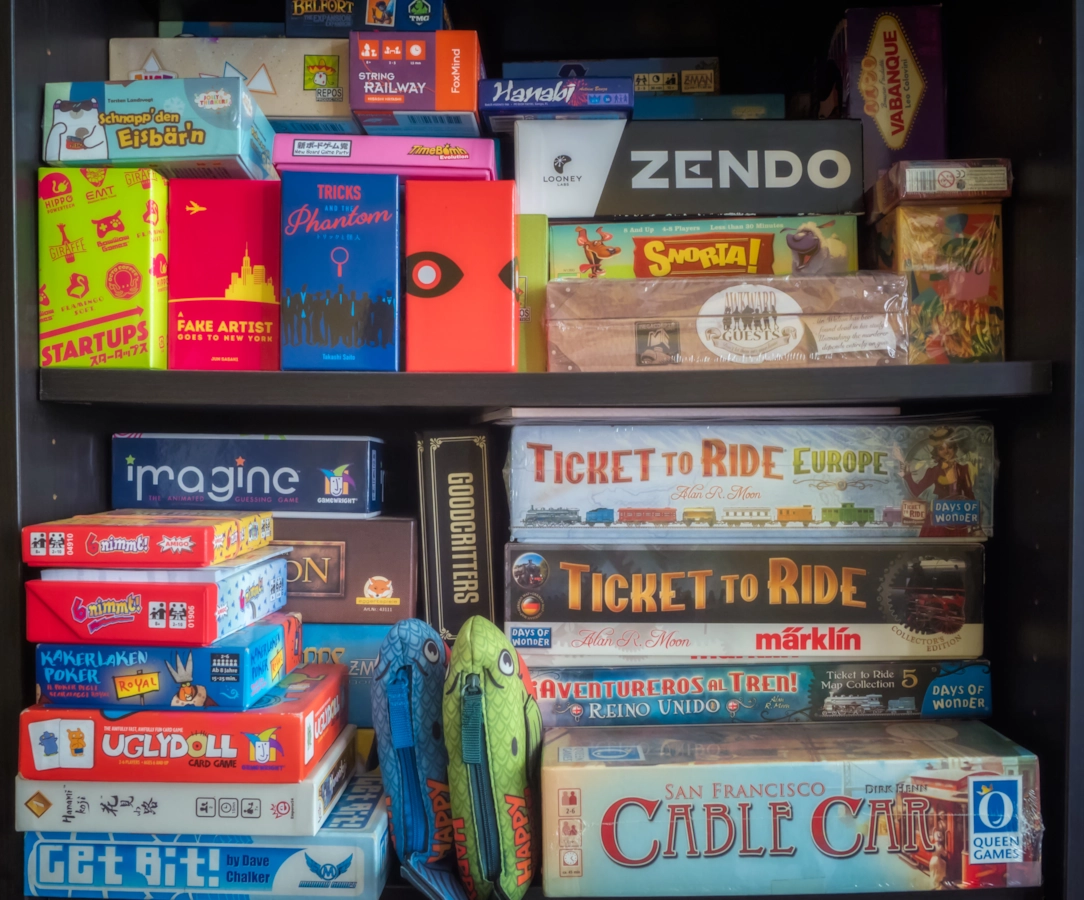
Stepping into the world of modern board gaming can feel like walking into a foreign country. You'll hear talk of "AP," "shelf of shame," "Euro vs. Ameritrash," and the latest "hotness." It's more than just a hobby; it’s a global culture with its own language, values, and customs.
Understanding this culture is the fastest way to feel connected, respected, and at home. When you know the lingo, you can instantly engage in deep conversations. When you respect the core values, you become a welcome member of any table. And when you identify your niche, you can find your lifelong friends. Whether you're a seasoned player or looking for your very first local game store (LGS), here is your guide to navigating and embracing the diverse world of board game culture.
Understanding the Language: Terminology You Need to Know
The board game community uses specialized terms to quickly categorize games and describe player behavior. Mastering this language is your first step to belonging.
Essential Terminology:
- AP (Analysis Paralysis): A common, usually light-hearted, term for when a player takes an excessive amount of time to decide their turn due to over-analyzing the options. (Tip: Avoid being an AP player by thinking on other people's turns!)
- LGS (Local Game Store): The physical hub of the community—the place to buy games, attend events, and often find public game nights.
- Eurogame (or Euro): A game style often characterized by indirect conflict, resource management, points-based scoring, and minimal luck (e.g., Catan, Terraforming Mars).
- Ameritrash (or Thematic): A game style characterized by high theme/story, direct conflict, detailed components (minis), and higher elements of luck (e.g., Descent, Mansions of Madness).
- Shelf of Shame/Opportunity: Games you own that have never been played.
- Table Talk: Casual conversation or light negotiation/haggling that happens during the game.
Core Community Values: Respect is Required
The culture is built on a simple premise: Respect. Respect for the components, respect for the rules, and most importantly, respect for fellow players' time.
The Board Gamer's Code of Conduct:
- Respecting Components: Always handle cards gently (no "shuffling like a maniac"), keep liquids away, and help put the game away neatly. A well-loved game deserves care.
- Respecting the Rules: No cheating, no arguing about the spirit of the rulebook—play to the text. Be open to a ruling from the owner/teacher if there's a dispute.
- Respecting Time (Anti-AP): While analysis is necessary, excessive downtime is rude. Be ready when your turn comes. Don't wander off or pull out your phone.
- Being a Good Sport: Win or lose, be gracious. Celebrate a good play by your opponent. Don't gloat, and don't sulk. Your attitude is more important than your win ratio.
- Teaching Properly: Teach the core goal and strategy first, then dive into the rules. Ensure everyone is on the same page before starting.
Finding Your Niche Within the Culture
Board gaming is an umbrella that covers many distinct subcultures. Knowing your preference helps you find groups that match your playstyle and energy.
Subcultures within Gaming:
- The Competitive Strategist: Loves deep, low-luck Euros, complex puzzles, and optimizing turns. Prioritizes the "win" but respects a skilled opponent. (Meeple Dates filters for 'Heavy Strategy' and 'Competitive')
- The Narrative/Thematic Player: Loves Ameritrash, legacy games, and RPG elements. Prioritizes the story, the experience, and the "cool moment" over the final score.
- The Casual/Party Gamer: Loves light, quick, highly social games. Prioritizes laughter, accessibility, and high player interaction. (Perfect for coffee shop meetups!)
- The Cooperative Group: Values teamwork, shared problem-solving, and a sense of collective achievement. Less interested in direct player conflict.
How to Use Filters to Find Your Niche: Meeple Dates allows you to filter potential friends and groups by:
- Preferred Complexity: Light, Medium, or Heavy.
- Preferred Style: Euro, Ameritrash/Thematic, Party, or Co-op.
- Play Frequency: How often they want to game (weekly, monthly, spontaneously).
- Temperament: Competitive or Casual.
This ensures you don't end up pairing a highly competitive strategy gamer with someone who only wants light party games—ensuring instant compatibility.
Integrating into the Local Game Store (LGS)
The LGS is where board game culture lives. It's often the single best place to find groups and friends, but it requires a little etiquette.
LGS Etiquette:
- Support the Store: If you play at a store's table, buy a drink, a snack, or a game occasionally. They provide the space—support their business.
- Ask Before Joining: Never assume you can join an ongoing game. Ask if they are open to an extra player before the game starts, or ask about open tables.
- Be Welcoming: If you are playing, be open to letting new people watch or join (within reason). You were new once, too!
- Use the Bulletin Board: Most LGSs have one—post a card looking for a specific type of group or game to play.
Ready to Find Your Gaming Community?
Board game culture is one of the most welcoming and rewarding communities you can join, provided you enter with respect and a basic understanding of the customs. It’s where shared passion meets deep friendship. Ready to understand the lingo, find your niche, and connect with friends who respect the game as much as you do? Join Meeple Dates and build your community today!
Connect with Your Community